
Do you live in an old Japanese house? Torn shoji, dirty fusuma, dark wooden pillars — these houses need a lot of care, but it is hard to find easy guides in English.
I am fixing up my grandfather’s 45-year-old house in rural Shiga, Japan, by myself and on a small budget. This page lists all of my DIY guides in simple English. I write about what really happened: how long it took, how much it cost, and the mistakes I made.
Find a guide by problem
- My shoji paper is torn or yellow → How to re-paper shoji
- My shoji keeps tearing, or my room is too dark → Use polycarbonate board instead of paper
- My fusuma look old and dirty → Paste new paper over the old paper
- My fusuma are badly torn → Fix fusuma from the base layer (fukurobari)
- There is a hole in my window screen → How to re-screen a window screen
- I don’t know which screen tools to buy → Choosing tools and materials for window screens
- The wooden pillars look dark and dirty → Clean old wood with a wood cleaner
- I want to protect old wood → Finish pillars and beams with water-based varnish
- I need a place to work, but I have no space → Turn an oshiire closet into a desk
Guides by part of the house
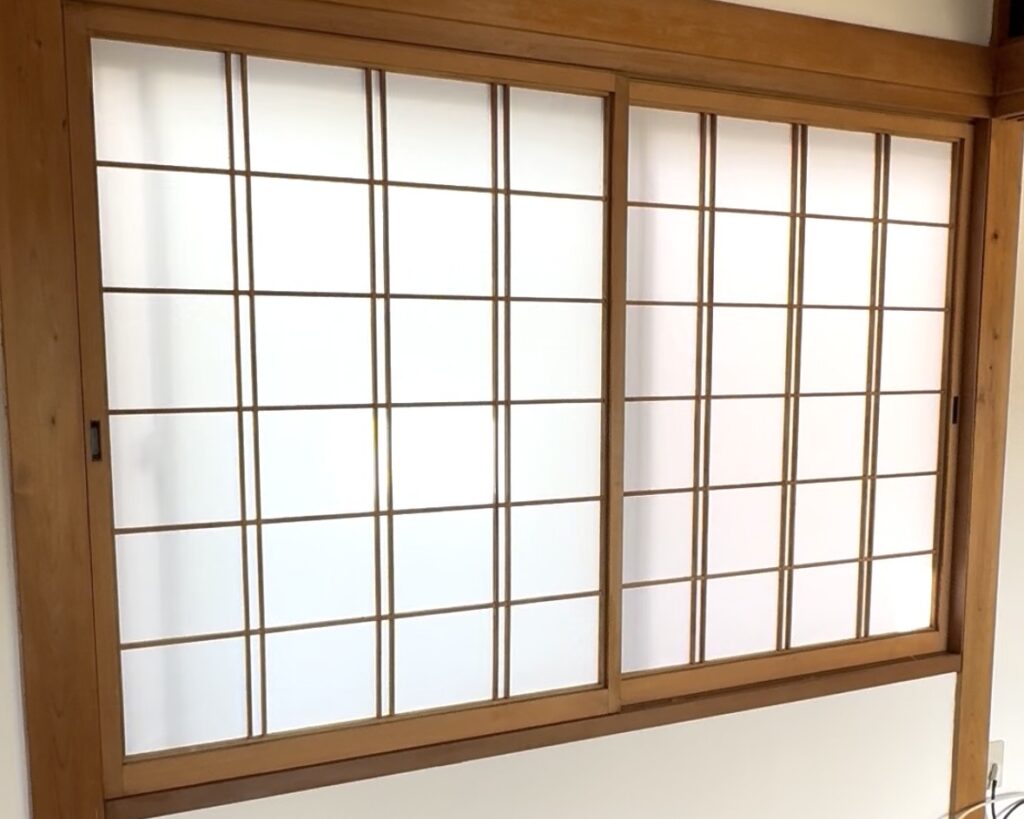
Shoji (paper sliding doors)
Wooden sliding doors covered with thin white paper. They let soft light into the room.
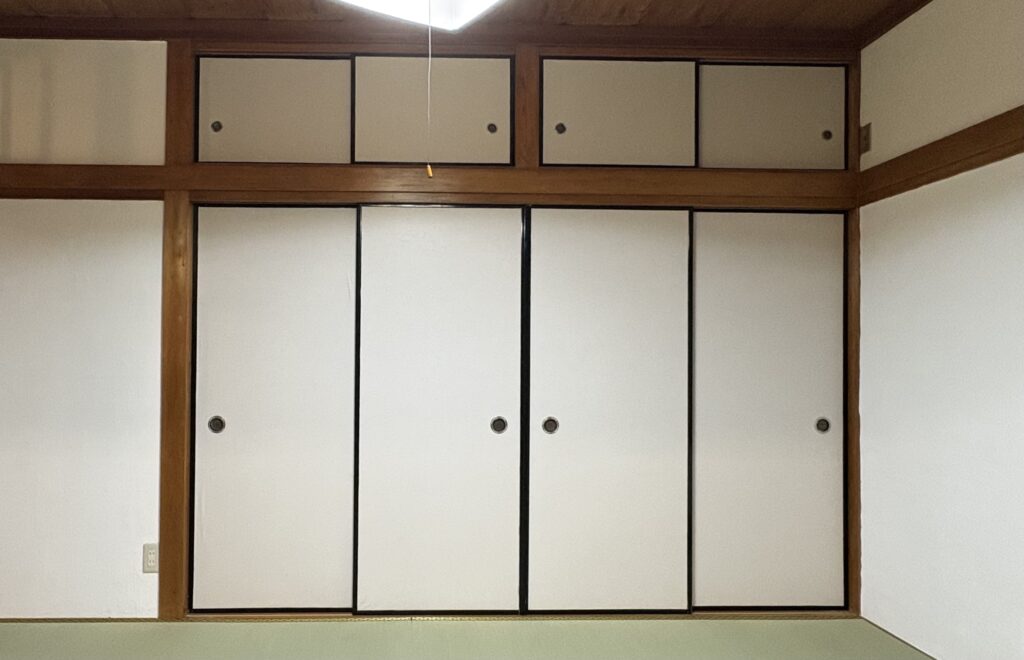
Fusuma (sliding closet doors)
Sliding doors with thick paper on both sides. They are used for closets and between rooms.
- Easy way: paste new paper over the old paper
- Better-looking way: fix from the base layer (fukurobari)
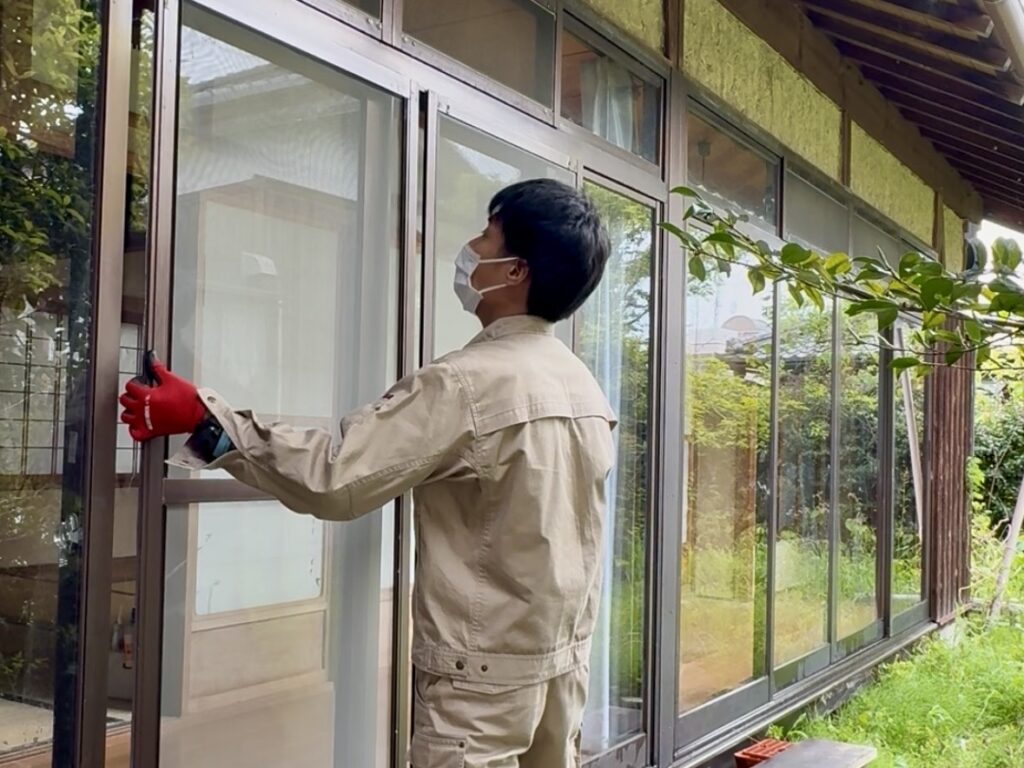
Screen doors (amido)
Mesh screens on windows and doors. They keep bugs out when the windows are open.
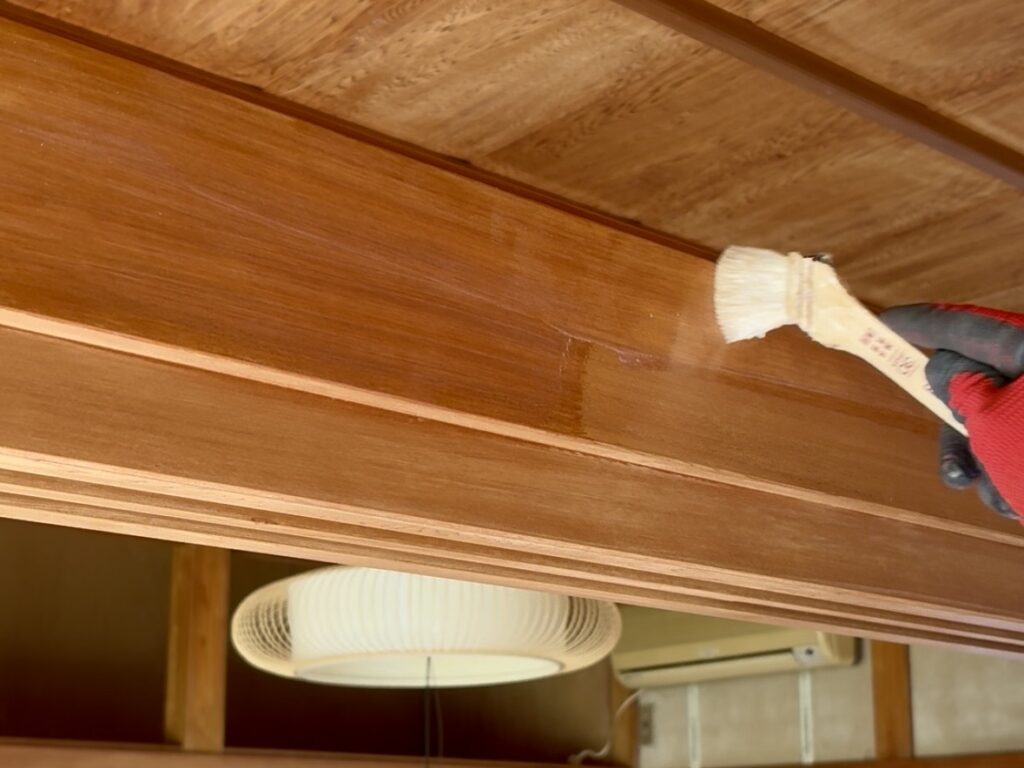
Wooden pillars & woodwork
Many old houses have plain, unpainted wooden pillars and beams. Over the years, the wood gets dark and dirty.
- Step 1: clean the wood
- Step 2: protect it with water-based varnish
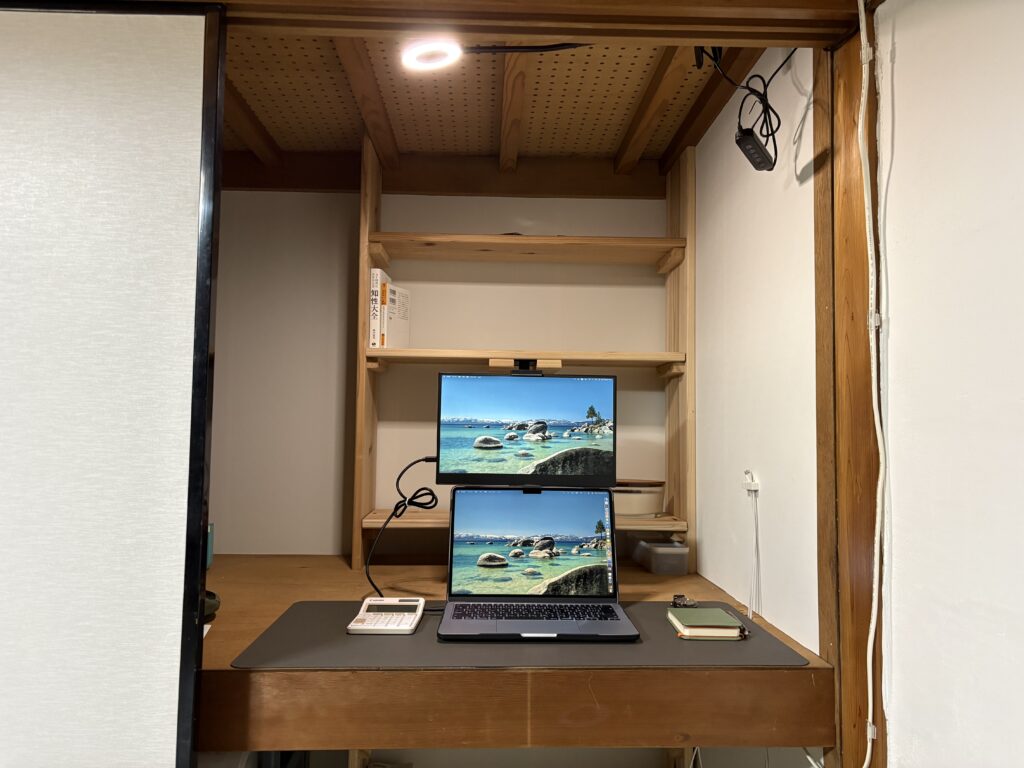
Oshiire (built-in closets)
A deep closet with a shelf in the middle, made for storing futon.
Japanese house words
- Kominka — an old traditional Japanese house
- Washitsu — a Japanese-style room with tatami floors
- Tatami — thick floor mats made of rush grass
- Shoji — wooden sliding doors covered with thin paper
- Fusuma — sliding doors with thick paper, for closets and between rooms
- Amido — a window or door screen made of mesh
- Oshiire — a deep built-in closet for futon
Follow along
I share short videos of my DIY work on social media. If you want to see how the work looks step by step, follow me on Instagram and TikTok (@rural.japan.life).